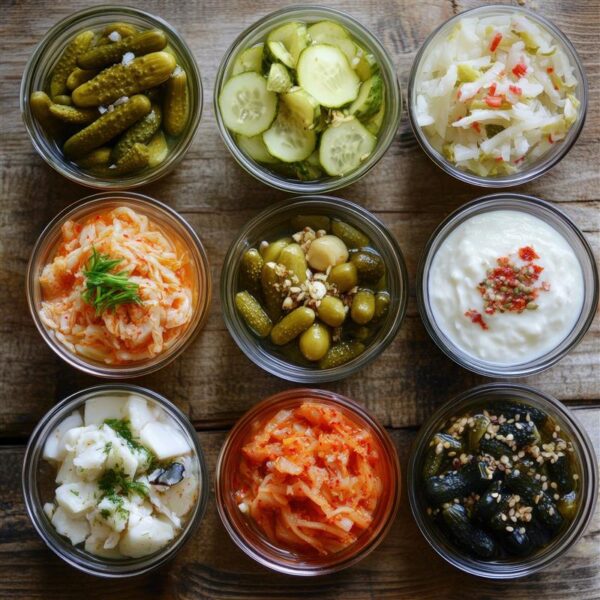
Fermented Foods: Nourishing Your Gut Naturally
Fermented foods have been celebrated for centuries — not just for their bold, tangy flavors, but also for their remarkable benefits to gut health. These traditional foods are naturally rich in probiotics — beneficial microorganisms that help balance the gut microbiome, support digestion, and strengthen immunity.
In today’s world, where processed and pasteurized foods dominate the shelves, our bodies are often deprived of the living enzymes and beneficial bacteria that once came from natural, unprocessed foods. Bringing fermented foods back into your diet is one of the simplest and most effective ways to restore balance and vitality to your digestive system.
Why Fermented Foods Matter
The gut is home to trillions of bacteria — some good, some harmful. When this delicate ecosystem is out of balance, we may experience symptoms such as bloating, fatigue, skin issues, or even mood changes. Probiotics found in fermented foods help restore the “good” bacteria, crowding out the harmful ones and creating a healthier internal environment.
A healthy gut not only supports digestion but also plays a key role in immune function, hormonal balance, and even mental clarity. In fact, about 80% of your immune system resides in your gut, so taking care of your microbiome truly means taking care of your whole body.
Top Fermented Foods to Add to Your Diet
Here are a few simple and delicious ways to start incorporating fermented foods into your daily meals:
- Sauerkraut – Made from fermented cabbage, sauerkraut is rich in probiotics and digestive enzymes. Choose raw, unpasteurized versions found in the refrigerator section for maximum benefit.
- Kimchi – A Korean staple made from cabbage, radish, and spices. It’s not only probiotic-rich but also full of antioxidants and vitamins.
- Kefir – A fermented milk or coconut drink that contains multiple strains of beneficial bacteria and yeast. It’s easier to digest than traditional dairy and excellent for gut repair.
- Kombucha – A fermented tea beverage that supports digestion and detoxification. It’s a refreshing alternative to sugary drinks.
- Fermented Vegetables – You can ferment almost any vegetable at home — carrots, beets, cauliflower, or green beans — creating your own probiotic-rich side dishes.
Tips for Adding Fermented Foods to Your Routine
- Start slow. Introduce small portions first — about a tablespoon or two daily — to let your body adjust.
- Choose quality. Avoid pasteurized or shelf-stable versions; heat destroys the beneficial bacteria.
- Pair wisely. Add fermented foods to meals, not on an empty stomach, to aid digestion and enhance nutrient absorption.
- Stay consistent. The key is regularity. A small daily amount is more effective than large portions once in a while.
The Bottom Line
Fermented foods are more than a trend — they are a return to our roots. For generations, they have played a vital role in preserving food and maintaining health. Reintroducing them into your diet can bring your digestion, energy, and immunity back into balance.
Remember, a healthy gut is the foundation of a healthy body and mind — and fermented foods are one of the easiest, most natural ways to support both.